
Homeowner Self Care in Winter: Simple Practices to Stay Grounded Through Dark and Cold Months
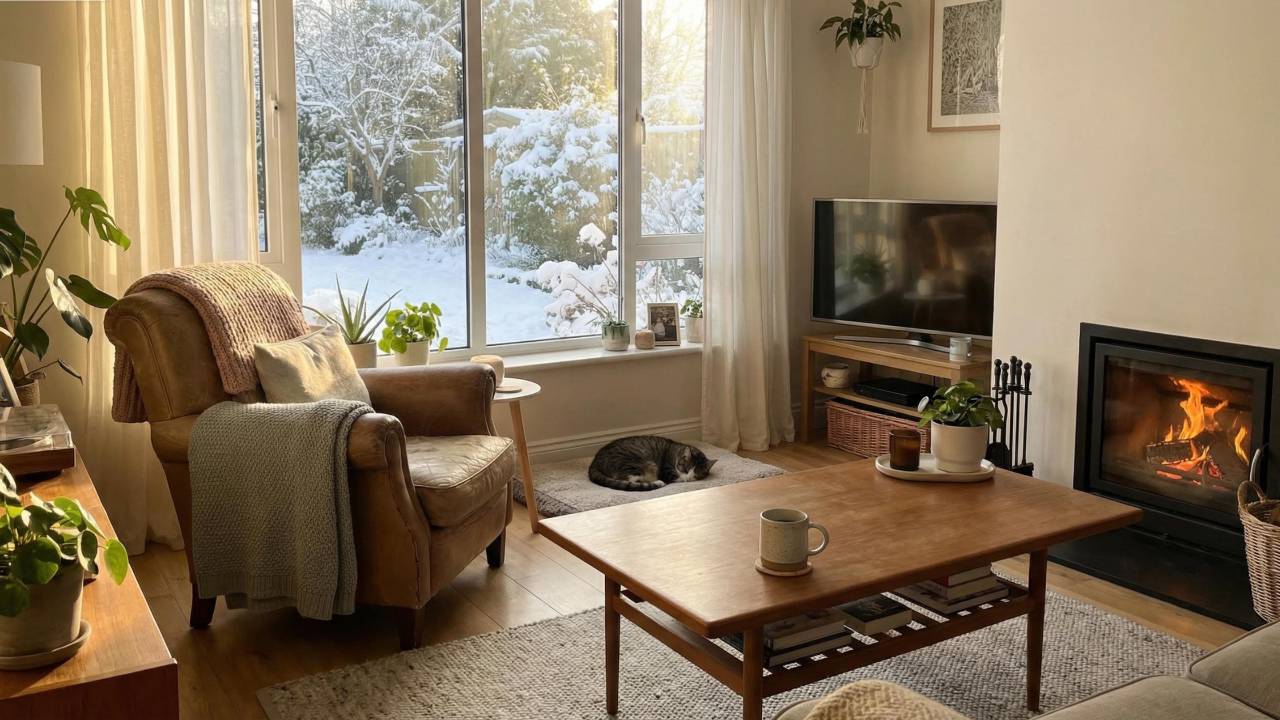
Winter as a Season of Slowness and Sensation
Winter has a way of pulling us inward. The light fades earlier, the air chills, and the body instinctively shifts into a slower rhythm. For many homeowners, this season reveals what the pace of summer often hides. Rooms feel darker. Clutter feels louder. Emotions sit closer to the surface.
This slowing is not a flaw. It is a biological and energetic invitation to tend to yourself and your home with more care.
In winter, the nervous system becomes more sensitive to the environment. The lack of sunlight, increased time indoors, and natural decrease in physical movement can all affect mood, clarity, and motivation. Supporting your body and home through this shift is a form of grounded self leadership.
Below are expanded practices to help you navigate the darker months with more steadiness, comfort, and emotional spaciousness.
1. Create Pockets of Warmth
You do not have to transform your entire home to make winter feel softer. What you need is warmth in small doses.
Choose one spot. A chair by a window. A corner with a blanket. A soft rug under your feet in the morning. The body responds to warmth as safety. When you give yourself a dedicated cozy space, even for five minutes a day, your nervous system receives the message that rest is allowed.
Try noticing what changes when you sit there. Do your shoulders drop. Does your breath deepen. Does your mind soften.
These micro-moments of warmth recalibrate your internal state.
2. Honor Your Natural Winter Rhythm
In modern life, people often expect their energy to remain constant throughout the year. The body does not work that way. Winter invites conservation. It encourages rest and deeper internal focus.
When you align with the season instead of resisting it, you eliminate unnecessary pressure.
This may mean:
• Choosing a gentler morning routine
• Letting yourself move slower
• Reducing your home to-do list
• Creating more ease around productivity
The more you honor the natural pace of winter, the more regulated and resourced you will feel.
3. Use Intentional Movement to Clear Stagnation
Stillness is restorative, but too much stillness creates heaviness. The body needs movement to clear emotional residue and maintain a balanced nervous system.
You do not need intense workouts. Instead, choose movements that feel supportive:
• A slow morning stretch
• Light yoga
• A short walk outside, even in the cold
• Gentle breathwork to warm the core
Movement wakes up circulation, lifts mood, and reduces the winter slump that many homeowners feel when stuck indoors.
If you notice resistance, pause and ask your body what kind of movement feels doable.
4. Let Natural Light Become Your Anchor
Light has a profound effect on mood, regulation, and clarity. During winter, exposure to natural light decreases, which can contribute to fatigue or emotional heaviness.
Bring more light into your home by:
• Opening blinds early in the day
• Sitting near windows whenever possible
• Taking short sunlight breaks outside
• Using warmer-toned lamps to soften the evenings
Even two minutes of sunlight can shift your entire internal state.
5. Create an Evening Ritual That Softens the Day
Winter evenings are long, and without intentional closure, the day’s energy can linger in your system. An evening ritual tells your body that it is safe to unwind.
Your ritual can be simple:
• Tea and a reflective journal prompt
• A warm shower to release tension
• A few minutes of gentle breath awareness
• Diffusing a grounding scent
• Turning off harsh lights
The goal is not productivity. The goal is restoration.
6. Let Your Home Support You, Not Drain You
In winter, your environment speaks louder. A cluttered corner feels heavier. A dim room feels more emotional. A chaotic kitchen can quickly overwhelm a tired nervous system.
Instead of trying to fix everything, choose one small shift each week that supports ease.
• Clear the kitchen island
• Add a soft lamp to a dark room
• Wash a blanket that makes you feel cared for
• Move a plant to a place where it gets more light
Tiny shifts impact how your system feels in your space.
Why Home-Based Self Care Matters in Winter
The winter season influences your internal landscape more than you may realize. When your body slows, it is easier to feel overstimulated or under-supported. Home becomes the place where your nervous system recalibrates.
When you create warmth, soften expectations, adjust your environment, and honor your natural rhythm, you help your body move through winter with more steadiness and emotional clarity.
This is the heart of home-centered wellness. Your space can either drain you or restore you. Winter invites you to choose restoration.
Frequently Asked Questions
Why does winter make everything feel heavier at home?
Reduced sunlight, colder temperatures, and more time indoors affect mood and nervous system tone. Your environment carries more weight in winter because your sensory input is limited and your energy naturally decreases.
What is the best first step for winter self care at home?
Start with light. Open blinds early, turn on soft lamps, or sit near a window. Light regulates mood, sleep, and emotional balance.
How can I stay grounded on days when everything feels overwhelming?
Choose one small sensory anchor. Warm your hands on a mug. Sit with a blanket. Place your feet on the floor and breathe slowly. Grounding is most effective when it is simple.
Does movement really help with winter heaviness?
Yes. Even gentle movement increases circulation, supports mood, and reduces emotional stagnation. Think of it as clearing the inner cobwebs winter can create.
What if my home feels cluttered or chaotic and I do not have the energy to fix it?
You do not need a full overhaul. Choose one small win. Clear one surface. Light one candle. Tidy one corner. Small shifts help regulate your nervous system and create momentum.
Can these practices help with seasonal depression?
These practices can be supportive, but they are not a replacement for mental health care. If you struggle with significant winter depression, connecting with a clinician is essential. Think of these tools as environmental support, not full treatment.
Stay connected!
Get resources, insights, tips, and expert advice on real estate, mindfulness, and holistic living delivered to your inbox.
We hate SPAM. We will never sell your information, for any reason.